The person behind the role
A life beyond work
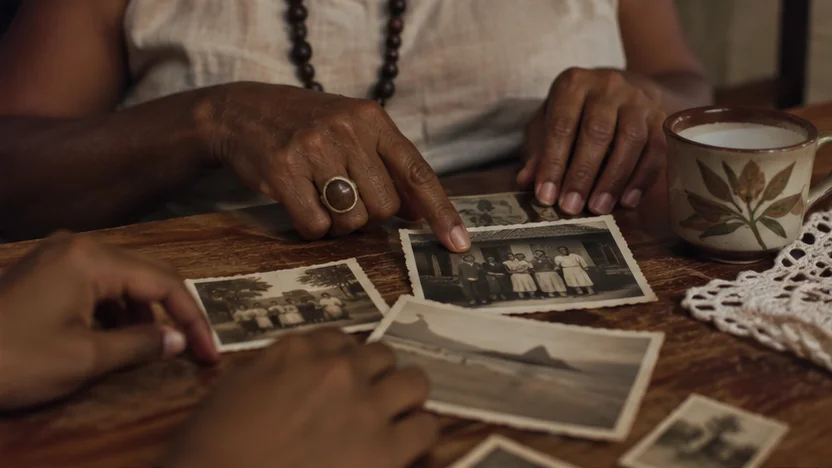
A memory, a habit, or a conversation with someone close can reveal sides of a person that the public rarely sees through their profession.


 Illustrative image
Heróis Reais
Character-Led Documentaries · Professional Profiles
Heróis Reais is a series of short documentaries about real professionals. i61 follows their routines, listens to their stories, and shows how they earn the trust of the people around them in everyday situations.

Seven aspects of Heróis Reais
From an early memory to what others witnessed firsthand, each aspect lets us get to know the person in their own time. These images illustrate the kinds of scenes that might appear in an episode.
The person behind the role
A memory, a habit, or a conversation with someone close can reveal sides of a person that the public rarely sees through their profession.
Calling and motivation
Where a choice began and what keeps someone going help us understand what the work means to them.
Skill in action
A task, a decision, or a problem solved lets viewers see how someone works and recognize their skill.
Challenges and vulnerability
A moment of doubt, a setback, or an acknowledged mistake shows how someone handles the demands of their work. The film respects the boundaries of the person telling the story.
Relationships and empathy
Encounters with colleagues, clients, or people close to the subject show how they pay attention to others and build relationships in everyday life.
Recognition from others
When someone describes an experience they shared with the subject, their account helps us understand what the subject's actions meant to others.
A shift in perspective
By bringing together someone's story, actions, and relationships, the film gives viewers a deeper understanding of that person's work and choices.
An episode of Heróis Reais
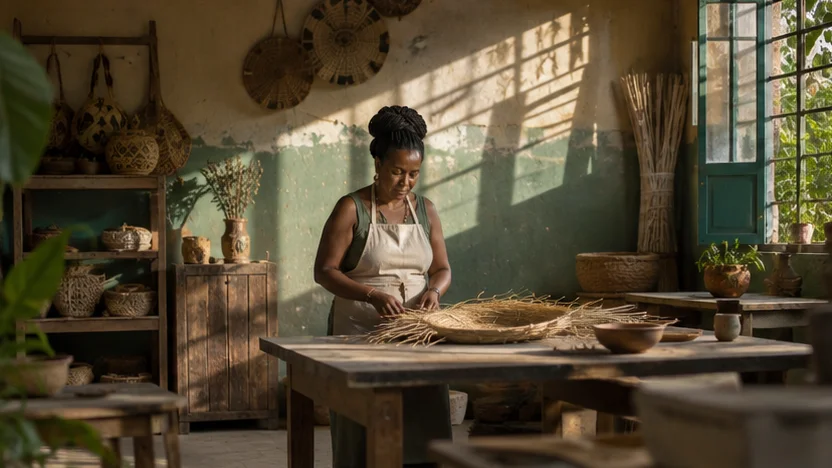
The portrait follows someone in their workplace. In the edit, what they share in the interview gains context through the actions and encounters the camera observes.
 Documentary portrait in preparation
Visual references
Portraits, gestures, places, and encounters that will guide the selection of stills once the documentary is ready.

Illustrative images
Who it's for
Introduce healthcare professionals to patients before their first appointment.
Bring clients closer to specialists and show how they work through real situations.
Highlight the work of people in different roles, including those who usually work behind the scenes.
How i61 works
We begin by listening. Through conversations and time spent observing everyday routines, i61 finds the situations that help tell each story.
Phase 1 · Research and development
Outcome of this phase. A narrative proposal and a filming plan.
Phase 2 · Production and finishing
Outcome of this phase. The finished series in the agreed formats.
Documentary currently filming
Fabiane's documentary is the intended example for this page. Scenes, credits, and production details will be added once the footage has been reviewed.
What you receive
Each episode follows one professional. During development, we decide how many people will take part, where to film, and how the series will be used.
Main deliverable
The portraits bring together interviews, scenes from work, and, where it adds to the story, the perspectives of people who know the subject.
Typical length per episode.
The proposal can also include
The proposal specifies participants, locations, duration, timelines, versions, and supplementary materials.
Before the first conversation
Professionals in different roles, from the front line to behind the scenes. During research, we look for people whose routines, choices, and relationships help tell a specific story.
The director leads the interview as a conversation and works with participants to find the right time to film their work. Everyone can speak in their own words.
Heróis Reais brings the audience closer to a professional and the way they work. The Culture Code follows employees to show how an organization's culture appears in the team's everyday work.
Possible uses include a website, presentations, social media, and WhatsApp conversations. We agree on the channels, versions, and permissions when defining the project.
We plan filming with the team, agree on what can be filmed, and arrange permissions for participants and anyone else who may appear, according to the project.
Let's talk
Tell i61 who you'd like to introduce and when that portrait could make a difference for your audience.
Talk to i61 contato@i61filmes.com.br